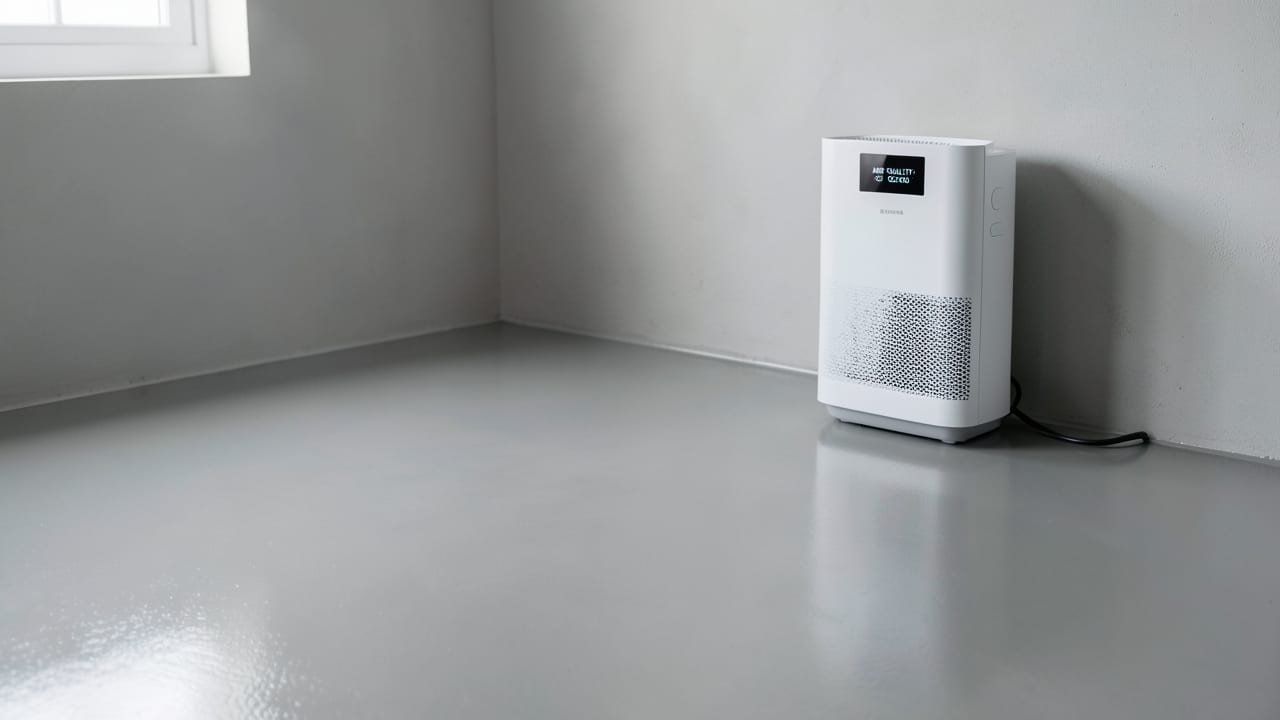
Post-Remediation Sealing
Applying protective sealants to surfaces after mold remediation to prevent future growth.
Post-remediation sealing in Milford Square, PA, involves applying specialized coatings to treated surfaces after mold removal to prevent regrowth. This process creates a protective barrier that helps inhibit moisture absorption and keeps spores from returning to areas where mold has been cleared.
Proper sealing is a key step in ensuring long-term protection for your home’s structure and air quality.
We also handle Bathroom Mold Removal and Carpet Mold Treatment for Milford Square properties.
When is sealing needed?
Sealing is typically done after mold remediation when porous materials like drywall or insulation have been removed and non-porous surfaces need protection. It’s also recommended if moisture sources—like leaks, condensation, or poor drainage—aren’t fully addressed, as residual dampness can lead to regrowth.
Signs that sealing may be necessary include visible mold returning after cleaning or a lingering musty odor in a previously treated area.
Hidden mold behind walls or under flooring often requires sealing to prevent spores from spreading to unaffected parts of your home. If your home has areas prone to dampness—such as basements, bathrooms, or closets—sealing can help maintain a dry environment long after remediation is complete.
Signs Post-Remediation Sealing May Be Needed
- Mold reappears in the same spot after cleaning or treatment.
- A musty smell remains even after visible mold is removed.
- The affected area stays damp or humid despite fixes to leaks or ventilation.
- Porous materials (like drywall or insulation) were removed during remediation and need protective coatings.
- The remediation crew recommended sealing as part of the process.
What affects the cost of sealing?
The cost of post-remediation sealing depends on the size of the treated area, the type of sealant used, and whether additional materials—like vapor barriers or encapsulation coatings—are required.
Larger areas or spaces with complex surfaces (such as textured walls or uneven framing) may take more time and material, impacting the final price.
Sealing is usually priced per square foot, with the total cost varying based on local market rates and the extent of the work. Some contractors include sealing as part of a full remediation package, while others charge it separately. Always confirm what’s included in the estimate to avoid unexpected costs.
What to look for in a sealing service
Not all sealing services follow the same standards. Proper sealing requires using EPA-approved encapsulants, ensuring surfaces are dry before application, and confirming that moisture sources are addressed. A reputable service will also conduct clearance testing after sealing to verify spore levels are back to normal.
Avoid services that skip containment during remediation or use non-HEPA filtration, as these can spread spores instead of containing them. Always ask for a written scope of work and third-party testing to ensure the job meets industry standards.
| Red Flag | Why It Matters |
|---|---|
| No written scope of work provided before sealing begins | Makes it difficult to compare bids or hold the contractor accountable for missing steps. |
| Pressure to sign a contract during the same visit as the inspection | Legitimate scopes take time to prepare; rushing may hide unclear or incomplete details. |
| No mention of post-sealing clearance testing | Without testing, there’s no independent confirmation the area is clear of spores. |
| Full payment requested before any work starts | Removes leverage if the job isn’t completed as agreed. |
How post-remediation sealing works
Sealing protects treated surfaces from future mold growth by creating a moisture-resistant barrier.
- 1Surface Preparation
All surfaces are cleaned and dried to remove dust, debris, and residual moisture. Non-porous materials (like concrete or tile) are scrubbed, while porous materials (like drywall) may be replaced if heavily contaminated.
- 2Application of Sealant
A specialized encapsulant or vapor barrier is applied to treated areas. This coating is designed to block moisture absorption and prevent spores from regrowing on the surface.
- 3Drying and Curing
The sealant is allowed to dry and cure fully, which may take several hours or longer depending on humidity and ventilation. Proper drying ensures the coating adheres correctly and provides long-term protection.
- 4Clearance Testing
An independent lab tests air or surface samples to confirm spore levels are within normal ranges before the area is considered sealed and safe.
- 5Final Inspection
The sealed area is inspected for completeness, and any gaps or missed spots are addressed. Homeowners are advised on maintaining dry conditions to help the sealant last.
Frequently asked questions
How do I know if sealing is necessary after mold remediation?
Sealing is usually recommended if porous materials were removed during remediation or if moisture sources—like leaks or high humidity—aren’t fully resolved. A lingering musty smell or visible mold returning are also signs that sealing may help prevent future growth.
Can I seal the area myself, or should I hire a professional?
DIY sealing is possible for small, non-critical areas, but professional services ensure proper materials and techniques are used. Professionals also conduct clearance testing to confirm the job is effective, which is harder to do on your own.
What happens if I skip sealing after mold removal?
Skipping sealing can leave treated surfaces vulnerable to moisture, increasing the risk of mold returning. Without a protective barrier, spores may regrow if humidity or leaks aren’t fully addressed.
How long does the sealing process take?
The time depends on the size of the area, drying conditions, and the type of sealant used. Surface prep and application can take a few hours, while full curing may require additional time before clearance testing.
Where Milford Square sits, and what the Census lists nearby
Milford Square sits in Pennsylvania, and the closest places listed in the U.S. Census Gazetteer are Trumbauersville (2 miles southeast), Spinnerstown (2.4 miles west), Quakertown (3.1 miles east), Richlandtown (5.2 miles northeast). Within 25 miles of Milford Square the same source lists 158 distinct incorporated places and census-designated places.
Those figures matter for post-remediation sealing because they are straight-line distances between Census coordinate points: road mileage between Milford Square and Trumbauersville runs longer than the 2 miles shown, which is why quotes for the same job differ between towns that look close together on a map.
Source: U.S. Census Bureau Gazetteer.
See Hellertown, PA for more, or check out everything on offer in Milford Square step by step for our complete lineup.
Ready to get started?
Talk to a local mold remediation pro in Milford Square — get a written quote.
Other Mold Remediation Services in Milford Square
Bathroom Mold Removal in Milford Square, PA
Professional assessment and removal of mold in bathrooms to restore a safe, clean environment.
Learn More
Carpet Mold Treatment in Milford Square, PA
Professional assessment and removal of mold growth from carpets to restore a safe indoor environment.
Learn More
Concrete Mold Remediation in Milford Square, PA
Professional removal and treatment of mold from concrete surfaces in homes.
Learn More
Laundry Room Mold Cleanup in Milford Square, PA
Professional mold removal and remediation in laundry rooms to restore a safe, clean space.
Learn More
Plaster Mold Remediation in Milford Square, PA
Professional removal and treatment of mold from plaster surfaces in homes.
Learn More
Window Sill Mold Cleanup in Milford Square, PA
Professional cleanup of mold growth on window sills to restore a healthy indoor environment.
Learn MoreCommon Questions About Mold Remediation in Milford Square
Everything you need to know about mold remediation services in Milford Square
How much does Post-Remediation Sealing typically cost in Milford Square, PA?
Why does Milford Square, PA's humidity make mold a bigger risk than in drier regions?
How does mold remediation actually prevent the problem from coming back?
Can mold growing inside HVAC ductwork spread to the rest of a home?
Does mold mean the same thing as mildew?
Does homeowners insurance typically cover mold remediation?
Need Mold Remediation in Milford Square?
Connect with local providers in Milford Square for a detailed quote.
⏰ We answer your call • Serving all of Milford Square and surrounding areas