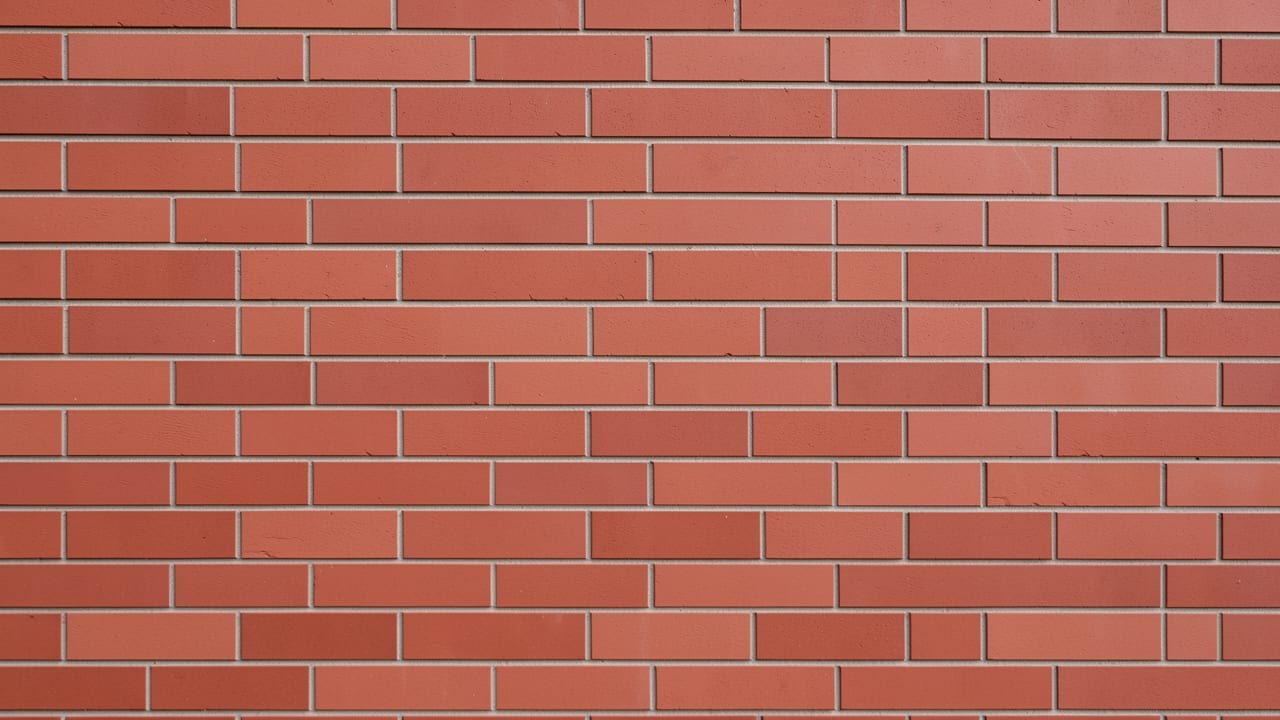
Brick Masonry Mold Treatment
Professional mold treatment and removal from brick masonry to restore structural integrity and indoor air quality.
Brick masonry mold treatment in Milford Square, PA, addresses mold growth on exterior or interior brick surfaces, which can degrade both appearance and structural integrity. Moisture exposure or poor ventilation often fuels this issue, requiring professional intervention to remove mold safely and prevent recurrence.
Why mold on brickwork needs professional treatment
Mold on brick masonry isn’t just an aesthetic concern—it can weaken the material over time, especially in Milford Square’s climate. Unlike porous materials like drywall, brick absorbs moisture deeply, making surface cleaning ineffective. Professional treatment ensures mold is removed without spreading spores to unaffected areas.
We also handle Fire Smoke Mold Remediation and Pet Urine Mold Treatment for Milford Square properties.
Ignoring mold growth can lead to recurring issues, particularly if the moisture source isn’t addressed. Brickwork in basements, fireplaces, or exterior walls is especially vulnerable due to limited airflow. A thorough assessment determines whether cleaning, sealing, or partial replacement is needed to restore the surface.
Signs Your Brickwork Needs Mold Treatment
- Mold covers more than a small, isolated patch (typically over 25 contiguous square feet).
- Visible mold keeps returning after cleaning, suggesting an unresolved moisture source.
- A musty odor persists in the area, even when no mold is visible—often a sign of hidden growth.
- Brick surfaces appear discolored, crumbly, or lose texture, indicating deep mold penetration.
How mold treatment affects your project’s scope and cost
The cost of brick masonry mold treatment in Milford Square varies based on the extent of damage, accessibility, and whether hidden moisture issues exist. Surface-level mold on exposed brick may require cleaning and sealing, while deep penetration or structural damage could necessitate partial brick replacement or moisture barrier installation.
Containment, HEPA filtration, and clearance testing add to the timeline and cost but are critical to preventing cross-contamination. These steps ensure the job is done thoroughly, reducing the risk of recurrence.
What to expect during the process
Professional mold remediation follows strict protocols to contain spores and prevent spread. Plastic sheeting and negative-air machines isolate the work area, while HEPA vacuums and air scrubbers capture airborne particles. This ensures unaffected areas remain protected throughout the job.
After removal, industrial drying equipment restores moisture levels to safe ranges before clearance testing confirms the space is free of contaminants. Skipping these steps can lead to incomplete remediation and recurring mold.
Using standard vacuums or non-HEPA filters recirculates spores instead of capturing them. Remediation without fixing leaks, grading issues, or poor ventilation often results in regrowth within months.
How brick masonry mold treatment works
- 1Containment Setup
Plastic sheeting and negative-air machines seal off the work area to prevent spores from spreading to other parts of the home.
- 2Mold Removal
Infested porous materials are discarded, while non-porous surfaces like brick are scrubbed and treated with antimicrobial solutions.
- 3HEPA Filtration
Air scrubbers and HEPA vacuums run continuously to capture airborne spores, ensuring they don’t settle in unaffected areas.
- 4Structural Drying
Dehumidifiers and air movers reduce moisture levels to prevent regrowth before containment is removed.
- 5Clearance Testing
An independent lab tests air or surfaces to confirm spore counts are within normal ranges before the area is considered finished.
Frequently asked questions
Can I clean mold off my brick fireplace myself, or should I hire a professional?
Surface-level mold on small, accessible areas can sometimes be cleaned with vinegar or bleach solutions, but deep penetration or large patches require professional treatment to prevent regrowth and cross-contamination.
How do I know if my basement brick walls have hidden mold behind the surface?
Musty odors, recurring discoloration, or condensation on cold surfaces are signs of hidden mold. A professional inspection with moisture meters or infrared cameras can identify underlying issues.
Will sealing the brick after treatment prevent future mold growth?
Sealing can help, but it’s not a permanent fix without addressing moisture sources like leaks, poor grading, or high humidity. Regular monitoring and maintenance are key to long-term prevention.
Do I need to leave the house during mold remediation?
Professionals typically recommend vacating the area during active remediation to avoid inhaling spores, though containment measures minimize exposure risks.
Where Milford Square sits, and what the Census lists nearby
Milford Square sits in Pennsylvania, and the closest places listed in the U.S. Census Gazetteer are Trumbauersville (2 miles southeast), Spinnerstown (2.4 miles west), Quakertown (3.1 miles east), Richlandtown (5.2 miles northeast). Within 25 miles of Milford Square the same source lists 158 distinct incorporated places and census-designated places.
Those figures matter for brick masonry mold treatment because they are straight-line distances between Census coordinate points: road mileage between Milford Square and Trumbauersville runs longer than the 2 miles shown, which is why quotes for the same job differ between towns that look close together on a map.
Source: U.S. Census Bureau Gazetteer.
See Dublin, PA for more, or discover our full Milford Square-area coverage by category for our complete lineup.
Ready to get started?
Talk to a local mold remediation pro in Milford Square — get a written quote.
Other Mold Remediation Services in Milford Square
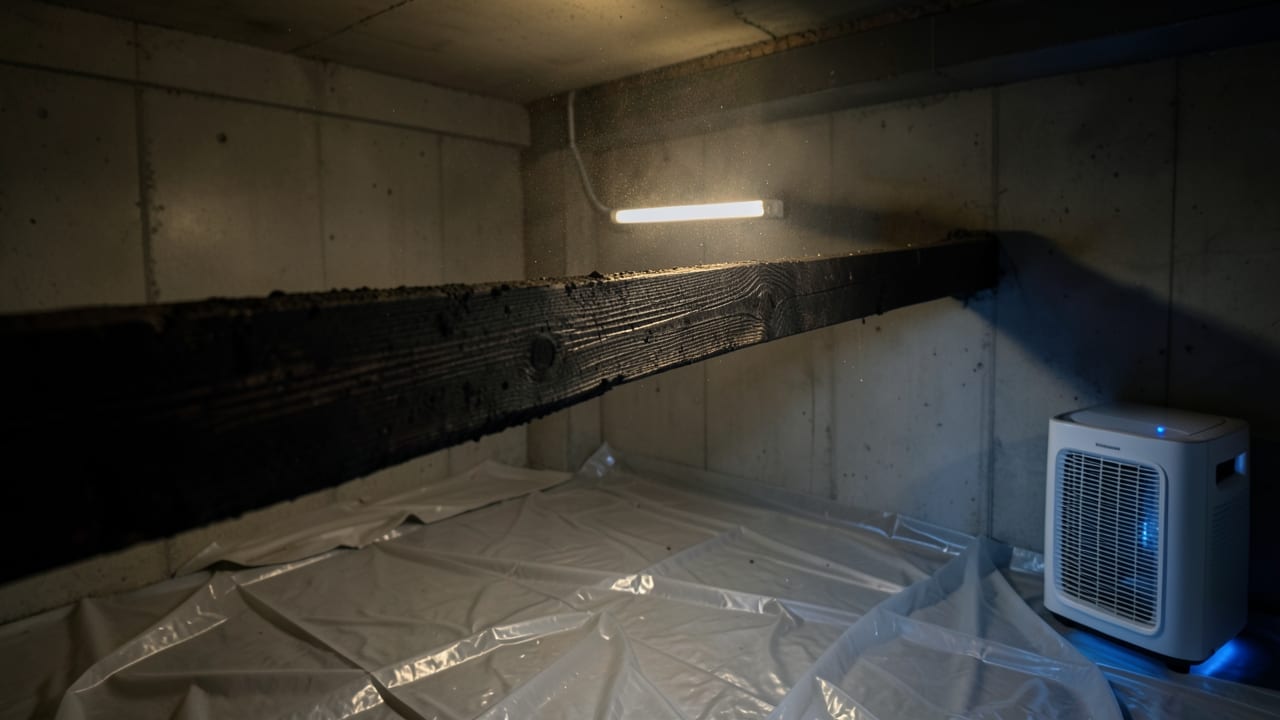
Fire Smoke Mold Remediation in Milford Square, PA
Professional cleanup and restoration of fire, smoke, and mold damage in homes.
Learn More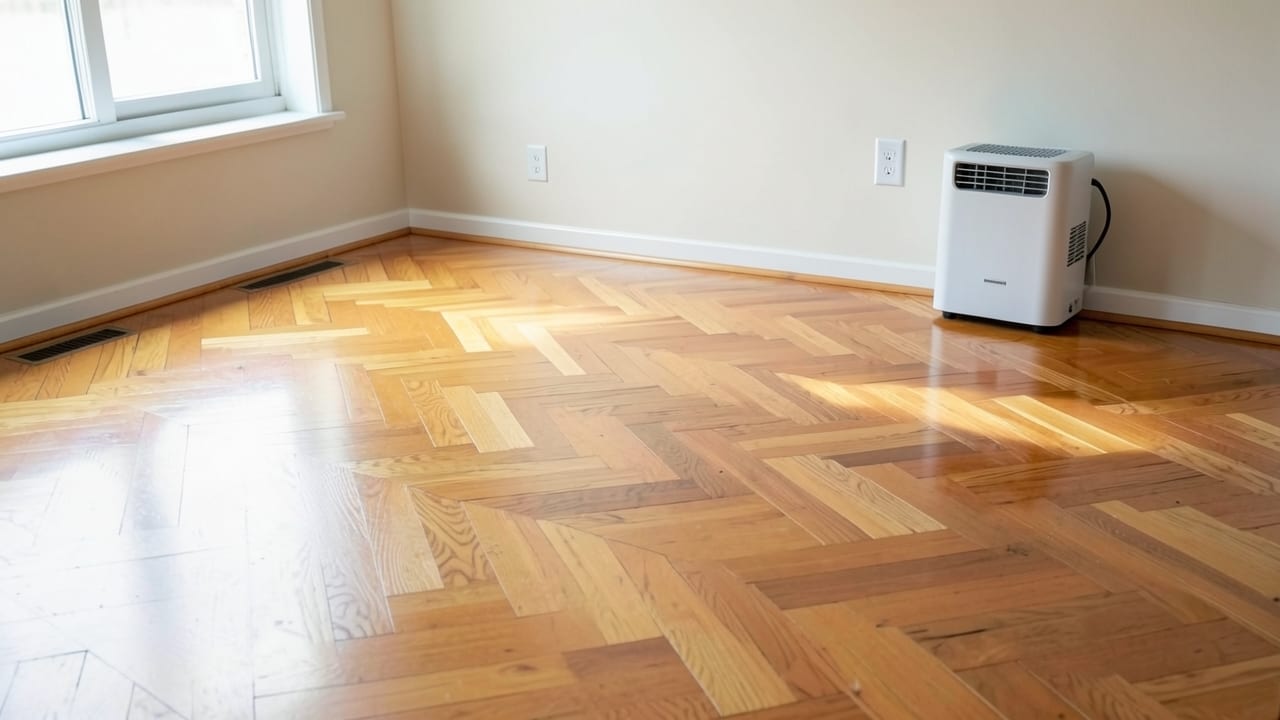
Pet Urine Mold Treatment in Milford Square, PA
Professional removal of mold caused by pet urine in homes, including assessment and treatment.
Learn More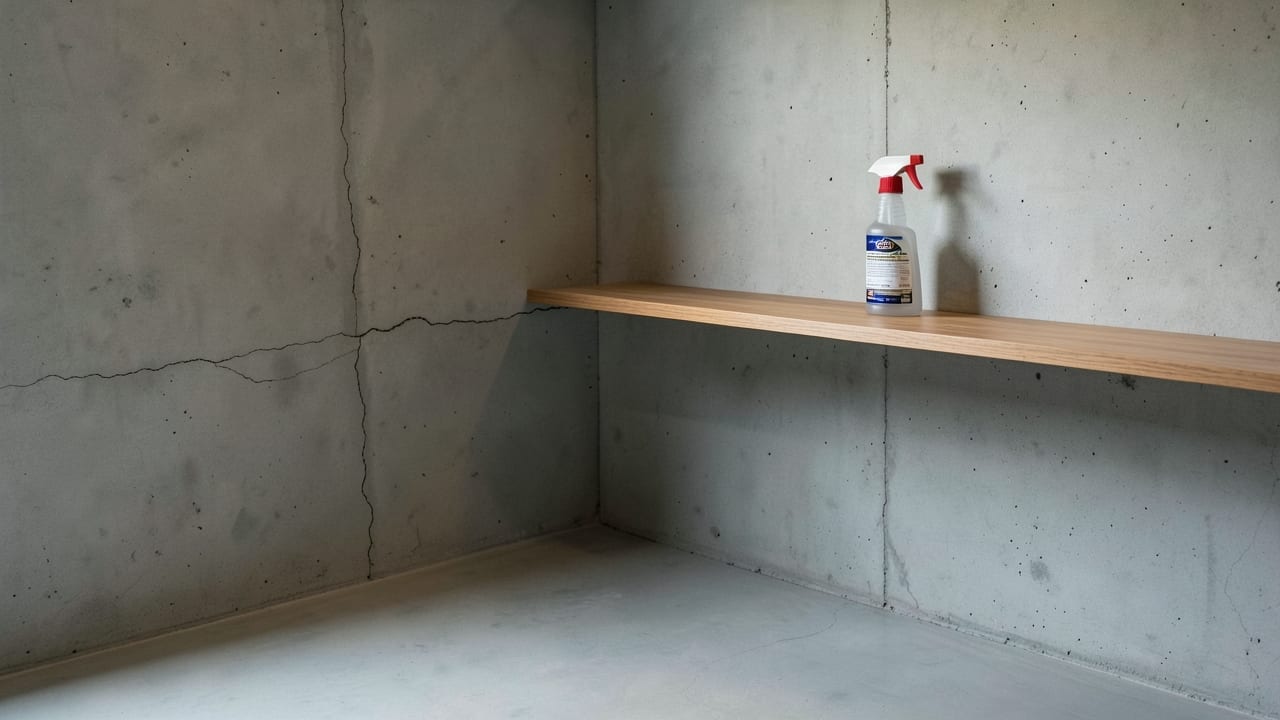
Pest Infestation Mold Remediation in Milford Square, PA
Professional mold removal and remediation for pest-related infestations in homes.
Learn More
Spring Mold Inspection in Milford Square, PA
Professional assessment and identification of mold growth in homes.
Learn More
Pre-Sale Mold Clearance in Milford Square, PA
Pre-sale mold clearance involves inspection and testing to confirm a property is mold-free before purchase.
Learn More
Post-Remediation Sealing in Milford Square, PA
Applying protective sealants to surfaces after mold remediation to prevent future growth.
Learn MoreCommon Questions About Mold Remediation in Milford Square
Everything you need to know about mold remediation services in Milford Square
How much does Brick Masonry Mold Treatment typically cost in Milford Square, PA?
Why does Milford Square, PA's humidity make mold a bigger risk than in drier regions?
How long does a typical mold remediation job take?
Is it safe to stay in the home during mold remediation?
Can small mold problems be handled without hiring anyone?
What's the actual difference between mold removal and mold remediation?
Need Mold Remediation in Milford Square?
Connect with local providers in Milford Square for a detailed quote.
⏰ We answer your call • Serving all of Milford Square and surrounding areas